The Socio-Emotional Benefits of Gardening for Students


The Healing Power of Gardening
Gardening is often seen as a relaxing hobby, but it offers much more than just leisure. For students, engaging in gardening activities can provide significant socio-emotional benefits. These benefits are particularly important as they navigate the challenges of academic life.
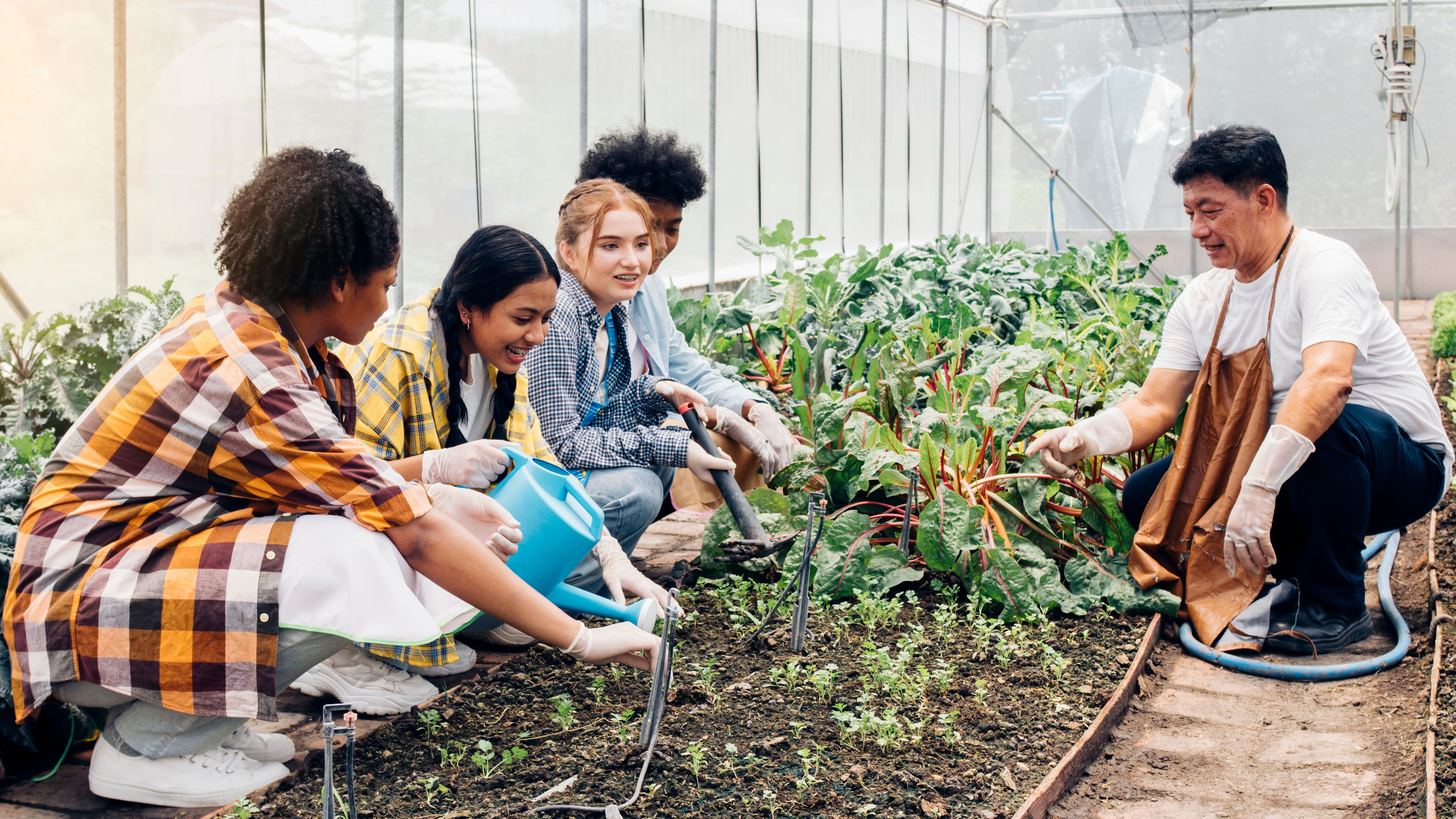
By connecting with nature, students can find a sense of peace and mindfulness. The act of planting and nurturing plants allows them to escape the stress of daily routines and focus on the present moment. This connection with nature has been shown to reduce anxiety and promote a sense of well-being.
Building Emotional Resilience
Gardening teaches valuable lessons in patience and resilience. Students learn that growth takes time and that setbacks, such as plants not thriving, are part of the process. This understanding can translate into a more positive outlook on life's challenges, helping them develop emotional resilience.
Moreover, taking responsibility for a garden fosters a sense of accomplishment. Watching their efforts come to fruition boosts students' self-esteem and confidence. This sense of achievement is crucial for building a strong, positive self-image.
Enhancing Social Skills
Participating in gardening projects, especially in a group setting, can significantly enhance social skills. Collaborative gardening activities encourage teamwork, communication, and problem-solving. Students learn to work together towards a common goal, fostering a sense of community and belonging.
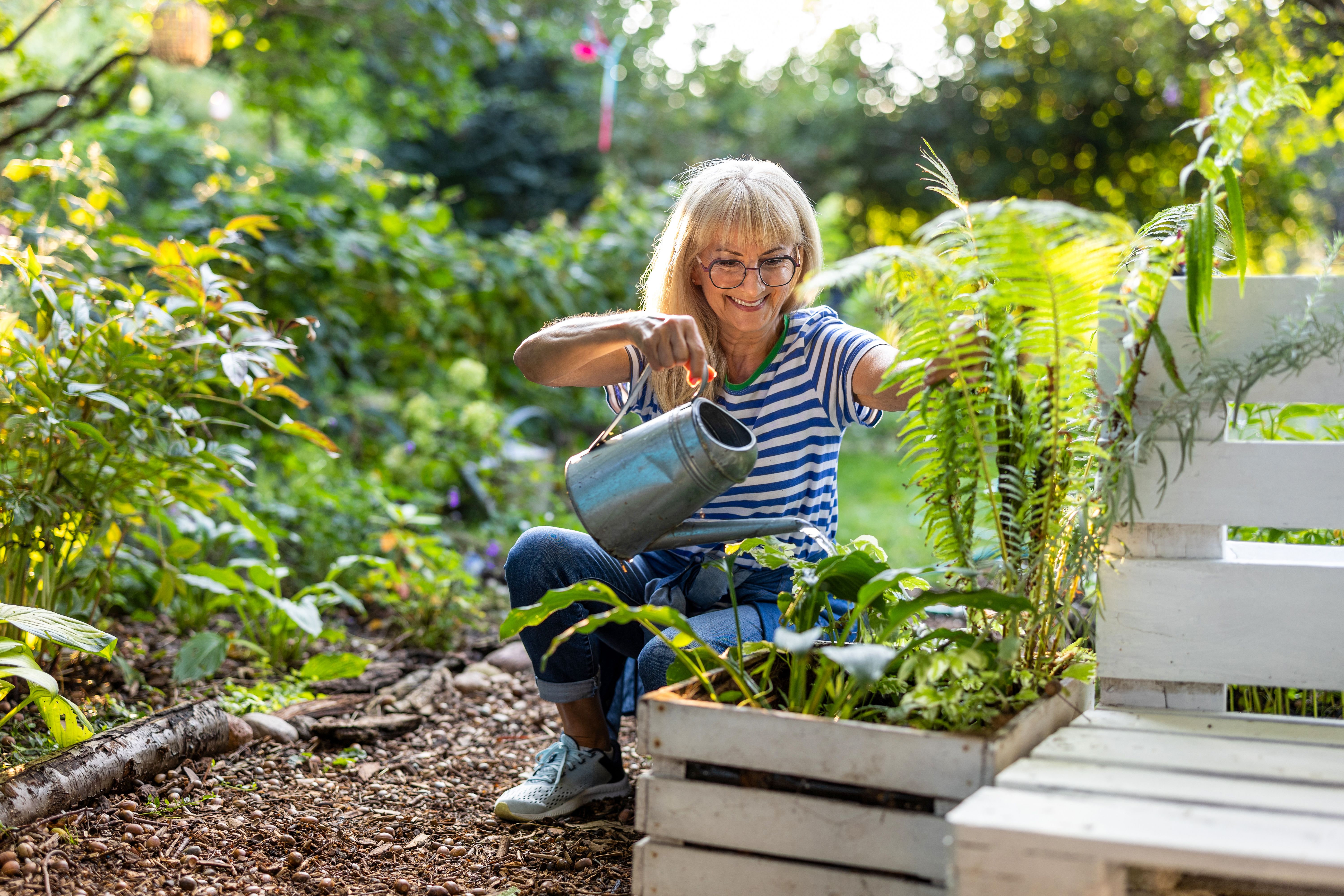
Gardening also provides an opportunity for students to interact with peers they might not otherwise engage with. This interaction can lead to new friendships and a more inclusive social environment, which is essential for personal growth and development.
Promoting Mental Health
The mental health benefits of gardening are well-documented. Engaging with nature has been shown to decrease symptoms of depression and improve mood. For students facing academic pressures, gardening can serve as a therapeutic outlet, offering a break from the rigors of study.
Furthermore, the physical activity involved in gardening releases endorphins, the body's natural mood enhancers. This physical exercise, combined with the calming effect of nature, creates a powerful tool for maintaining mental health.
Conclusion: Cultivating Growth Beyond the Garden
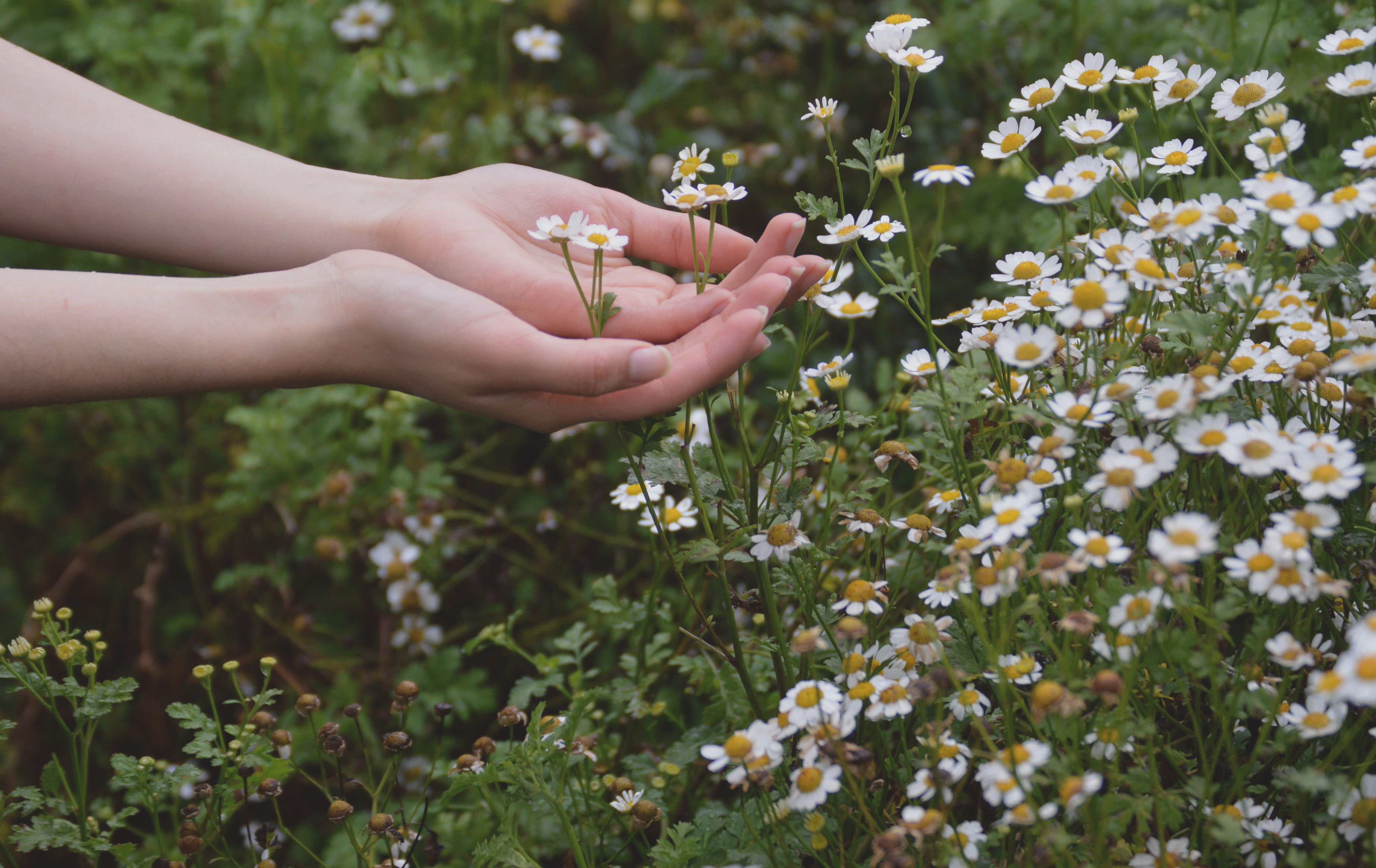
Incorporating gardening into students' lives offers a myriad of socio-emotional benefits. From building resilience and self-esteem to enhancing social skills and promoting mental health, the lessons learned in the garden extend far beyond the soil. By nurturing plants, students also nurture themselves, growing in ways that will benefit them throughout their lives.