Success Stories: How Savannah Schools Are Transforming Learning with Gardens


Introduction to Savannah's Green Initiative
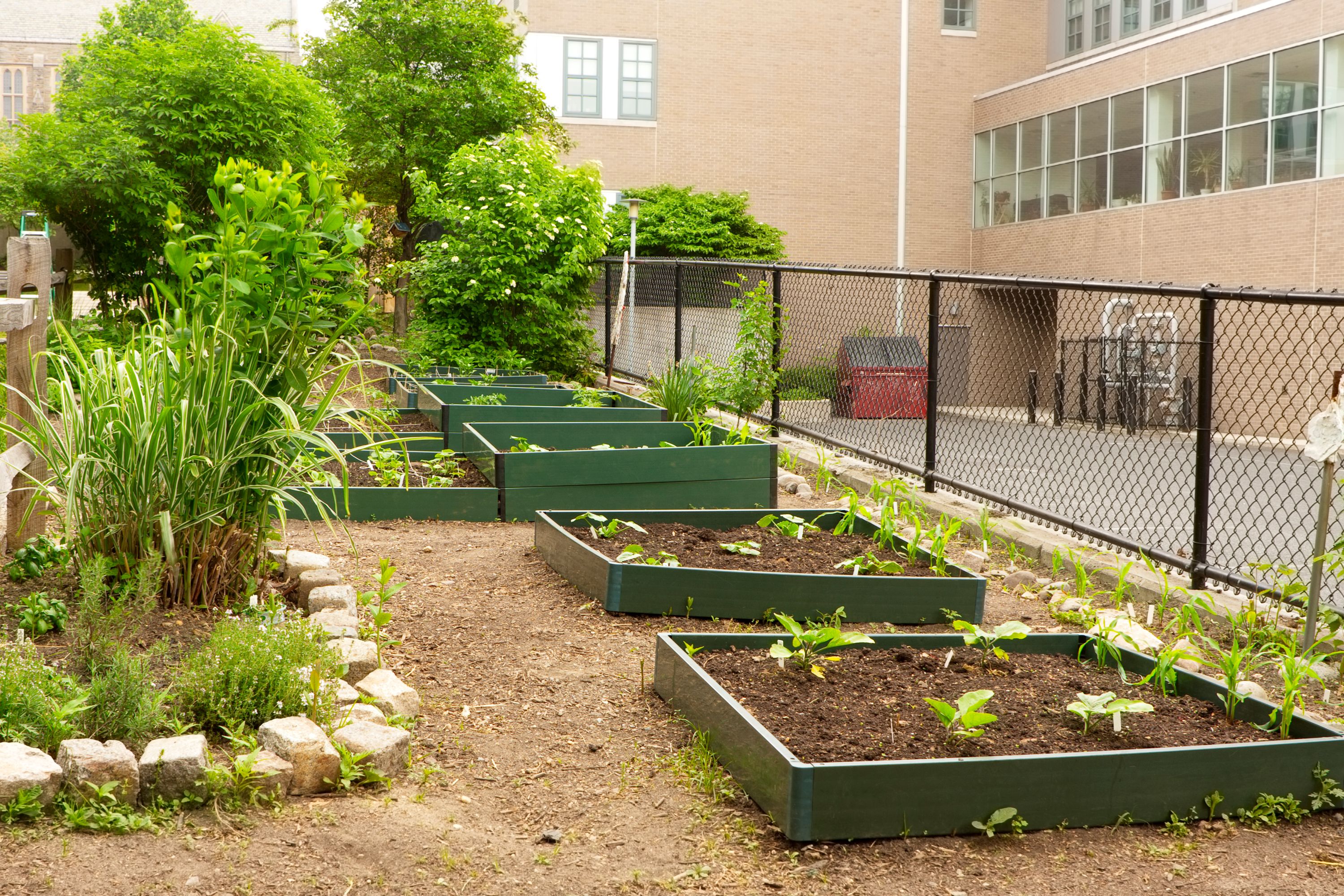
In recent years, Savannah schools have embarked on a remarkable journey to transform traditional learning environments through the integration of school gardens. This initiative not only enhances education but also promotes sustainability and wellness among students. By cultivating gardens, schools are turning classrooms into vibrant, living ecosystems that engage students in a unique way.
The Educational Impact of School Gardens
School gardens offer a hands-on approach to learning that complements academic curricula. Students engage with subjects like biology, ecology, and nutrition in a practical setting. This experiential learning reinforces theoretical concepts and fosters critical thinking. Teachers report increased enthusiasm and participation in subjects that are often considered challenging.
Moreover, gardens serve as outdoor laboratories where students can conduct experiments and observe natural processes. This interactive form of learning caters to different learning styles and helps improve retention rates. By nurturing plants, students also develop a sense of responsibility and teamwork.
Promoting Environmental Awareness
Savannah's school gardens are instrumental in fostering environmental awareness from a young age. Students learn about the importance of biodiversity, sustainable practices, and the impact of human activities on the environment. These lessons are crucial in developing environmentally conscious citizens who can contribute to a greener future.
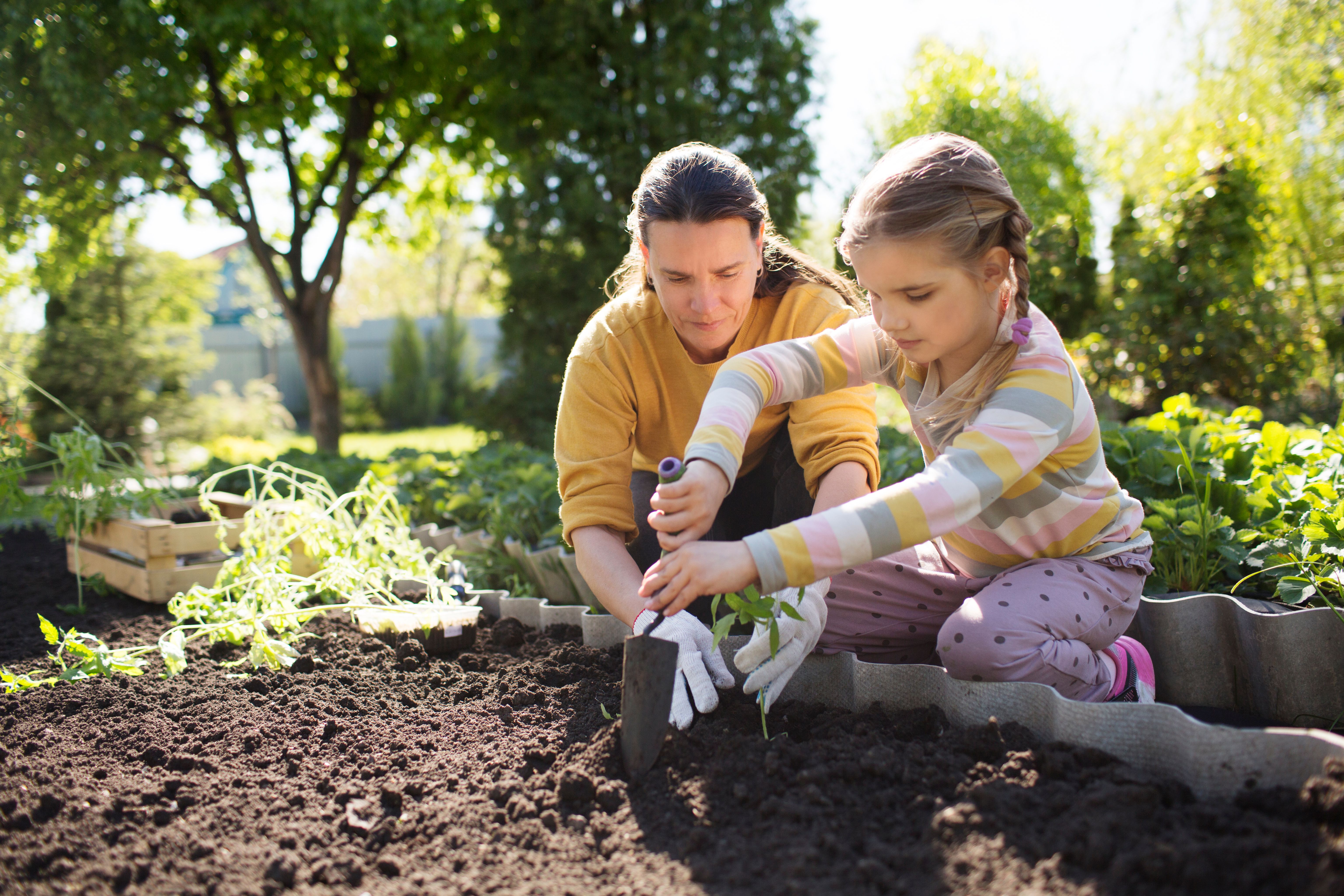
Through composting and recycling initiatives, students witness the cycle of decomposition and the role they play in waste management. This hands-on experience instills a lifelong commitment to sustainability and empowers students to become advocates for the environment.
Health and Nutrition Benefits
The integration of gardens in schools has a profound impact on students' health and nutrition. By growing their own fruits and vegetables, students gain a deeper appreciation for fresh produce and are more likely to make healthier food choices. This firsthand experience with growing food encourages better eating habits and combats issues like childhood obesity.
Additionally, school gardens provide an opportunity for students to taste and learn about a variety of fruits and vegetables they might not encounter at home. This exposure broadens their palate and encourages a more diverse diet.

Building Community Connections
School gardens in Savannah are not only educational tools but also community hubs. They bring together students, teachers, parents, and local volunteers, fostering a sense of community and collaboration. These gardens often host events, workshops, and farmers' markets, creating a vibrant community space that extends beyond the school.
This community involvement strengthens relationships and provides additional resources and support for the gardens. It also offers opportunities for intergenerational learning, where students can learn from the knowledge and experience of older community members.
Conclusion: A Growing Success
The transformation of learning through school gardens in Savannah is a testament to the power of innovative educational practices. By integrating nature into the classroom, schools are creating enriching learning environments that benefit students academically, socially, and personally. As these gardens continue to flourish, they stand as a model for other communities looking to cultivate educational success through sustainable initiatives.