How Savannah School Gardening Enhances S.T.E.A.M. Learning


Introduction to Savannah School Gardening
Incorporating gardening into school curriculums is an innovative way to enhance S.T.E.A.M. learning. In Savannah, schools are embracing this approach, transforming traditional education by integrating Science, Technology, Engineering, Arts, and Mathematics into a hands-on gardening experience. This method not only enriches academic learning but also instills a sense of responsibility and environmental awareness in students.
The Science of Gardening
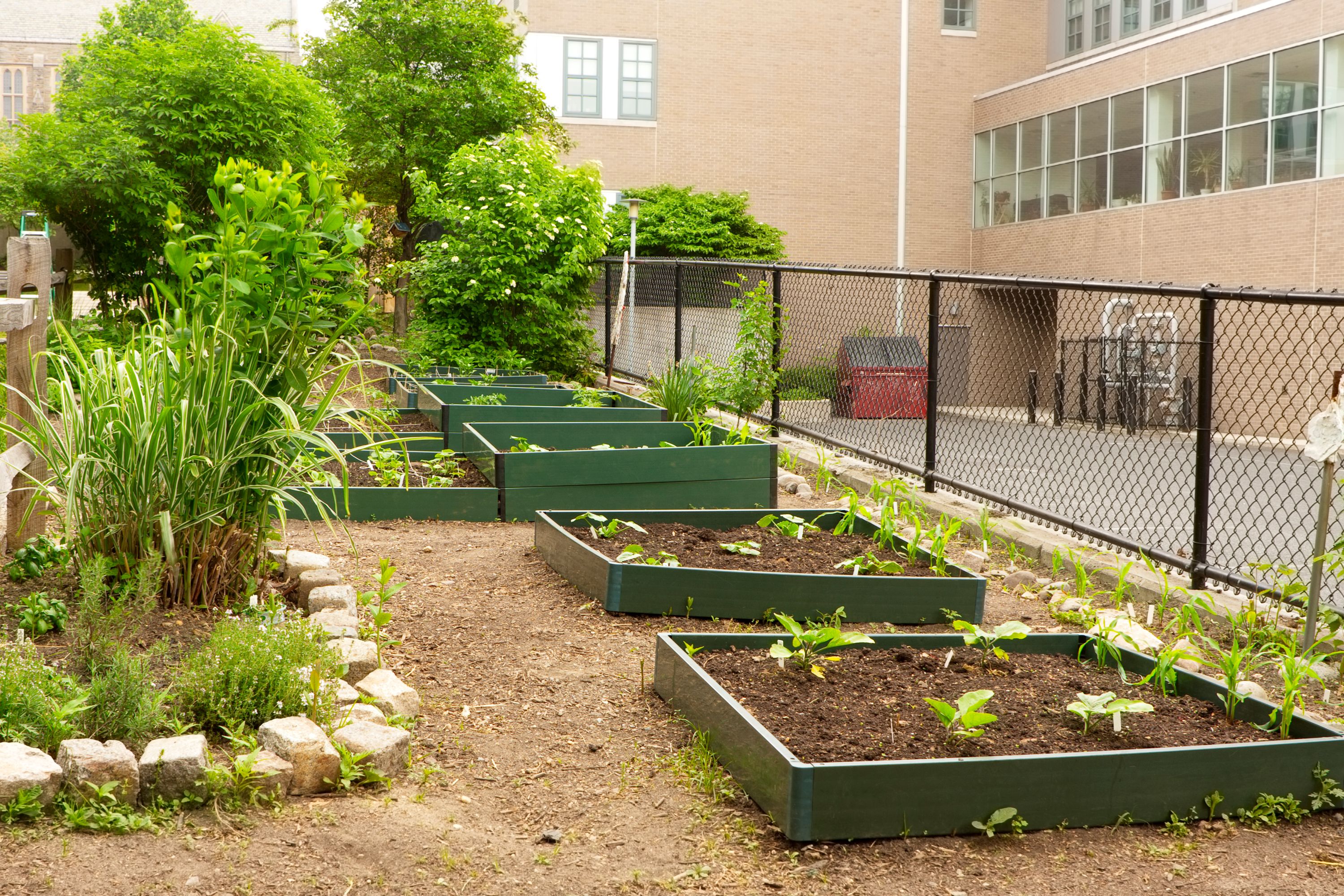
Gardening offers students the opportunity to observe plant biology and ecology firsthand. By understanding the life cycle of plants, soil composition, and the role of weather, students gain practical experience in scientific concepts. This real-world application of biology and environmental science encourages curiosity and a deeper understanding of the natural world.
Moreover, students learn about ecosystems and biodiversity, as they witness the interactions between plants, insects, and other wildlife. This knowledge fosters an appreciation for the environment and the importance of sustainable practices.
Technology and Engineering in the Garden
Integrating technology into gardening projects can be both exciting and educational. Students can use tools such as weather stations, sensors, and apps to monitor plant growth and environmental conditions. These technological interventions allow for data collection and analysis, introducing students to practical applications of technology in agriculture.
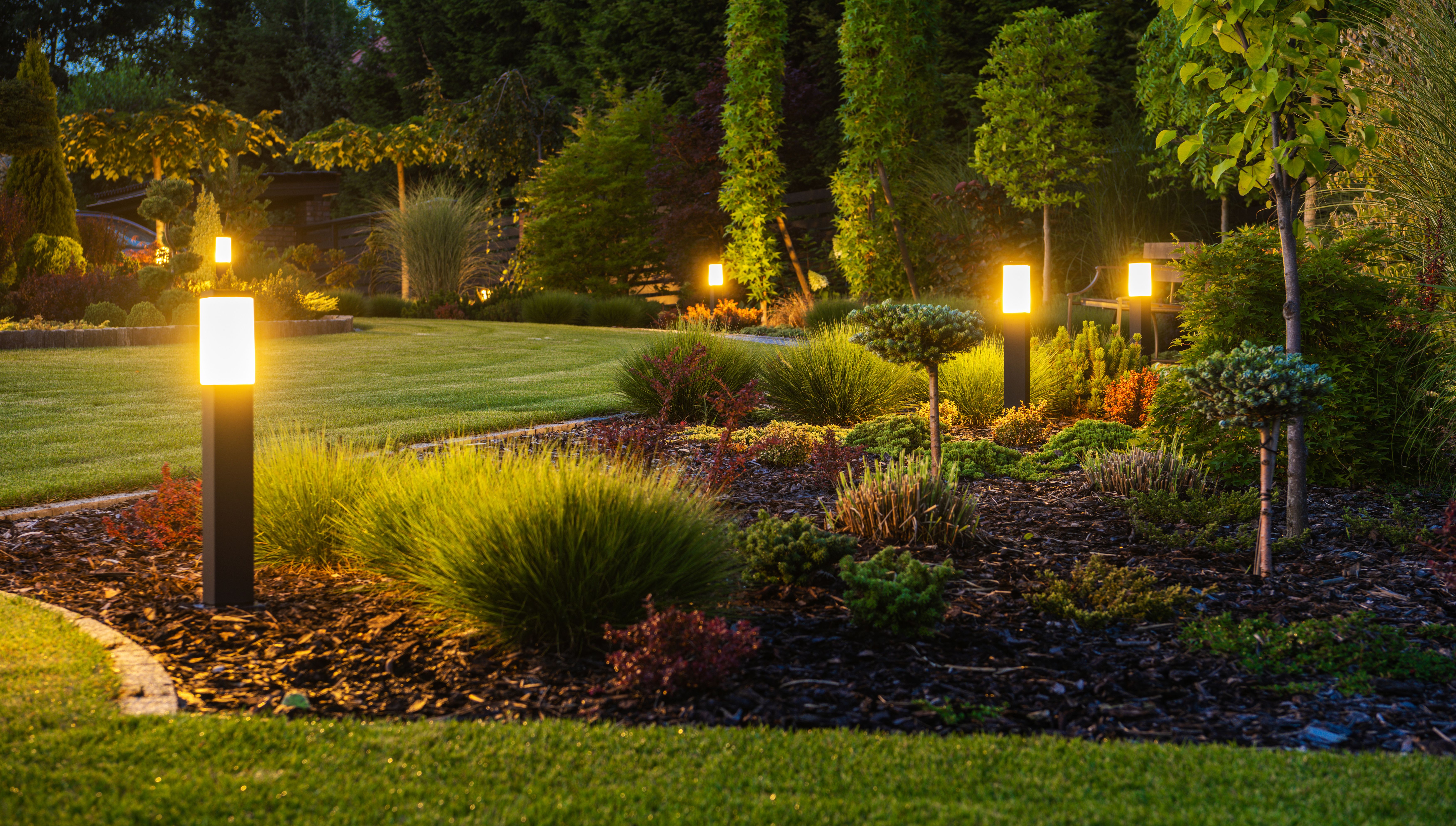
Engineering principles are also at play as students design and construct garden layouts, irrigation systems, and compost bins. These activities encourage problem-solving and innovation, essential skills in both engineering and everyday life.
Artistic Expression through Gardening
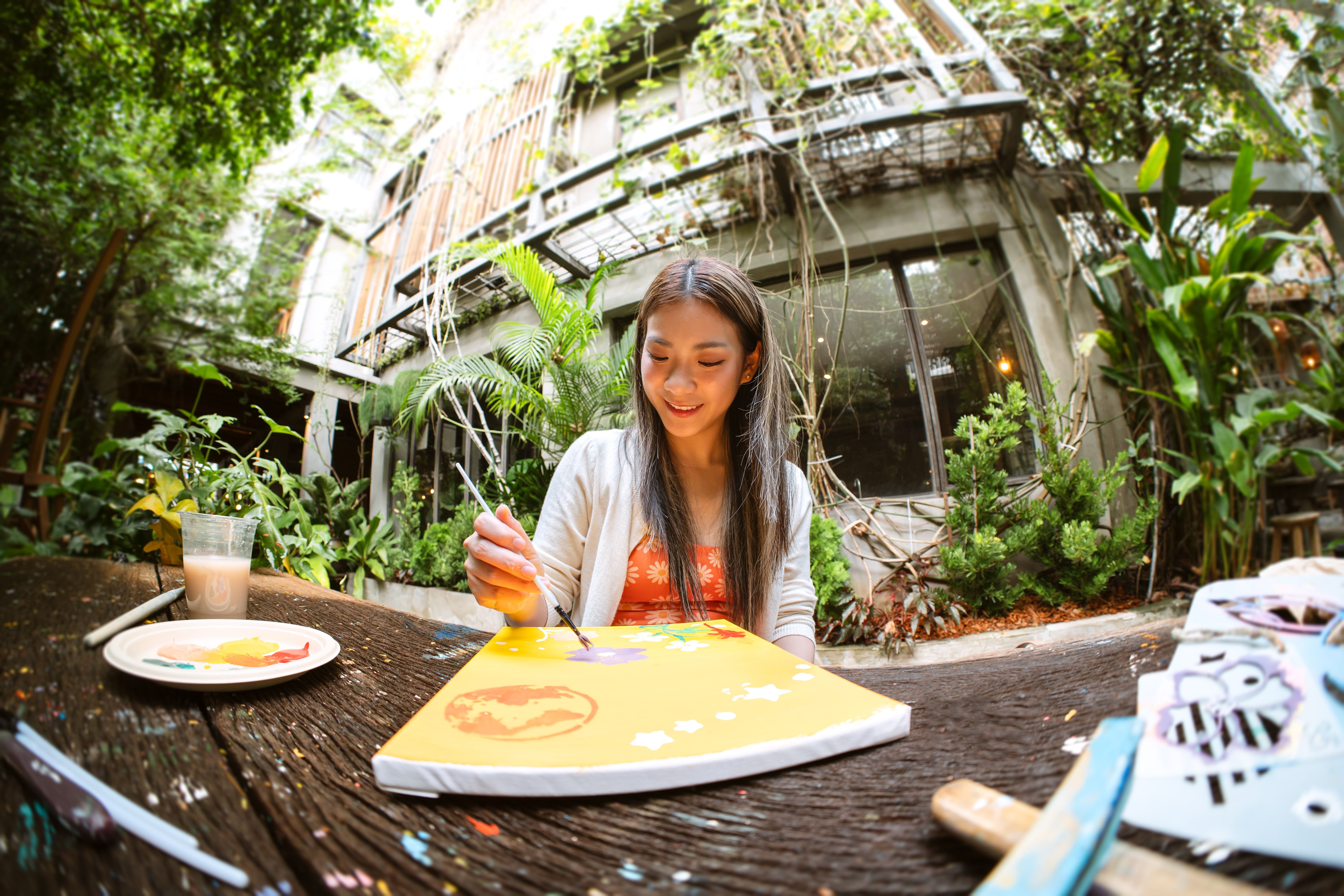
Gardening is not just a scientific endeavor; it is also an art form. Students can express creativity through garden design, choosing plants for their colors, textures, and patterns. Art projects can involve creating garden markers, designing plant labels, and even crafting sculptures for the garden space.
This blend of art and science nurtures a holistic educational experience, allowing students to explore their artistic talents while learning about plant aesthetics and landscape design.
Mathematics in Garden Planning
Mathematics naturally integrates into gardening through activities such as measuring plant growth, calculating area for planting, and budgeting for garden supplies. These tasks help students apply mathematical concepts in meaningful ways, enhancing their understanding and retention of mathematical principles.
Using math in a real-world context allows students to see its relevance, encouraging them to develop strong analytical and problem-solving skills.
The Broader Impact of School Gardening
Beyond academics, school gardening in Savannah has a broader impact on students' personal development. Engaging with nature promotes physical activity, reduces stress, and improves mental well-being. Additionally, working in gardens fosters teamwork, patience, and perseverance.
Gardening also encourages students to make healthier food choices, as they gain a better understanding of where their food comes from and the effort required to grow it.
Conclusion
By incorporating gardening into S.T.E.A.M. education, Savannah schools are providing students with a dynamic and engaging learning experience. This approach not only enhances academic achievement but also promotes lifelong skills and values, preparing students for a future where they can contribute positively to their communities and the environment.