How Savannah After-School Programs Foster Emotional Growth Through Gardening


Introduction to Gardening and Emotional Growth
Gardening is more than just a hobby; it's a powerful tool for emotional development, especially in children. In Savannah, after-school programs have embraced this practice to foster emotional growth among students. By engaging in gardening activities, children learn valuable life skills that contribute to their overall well-being.
The Connection Between Nature and Emotion
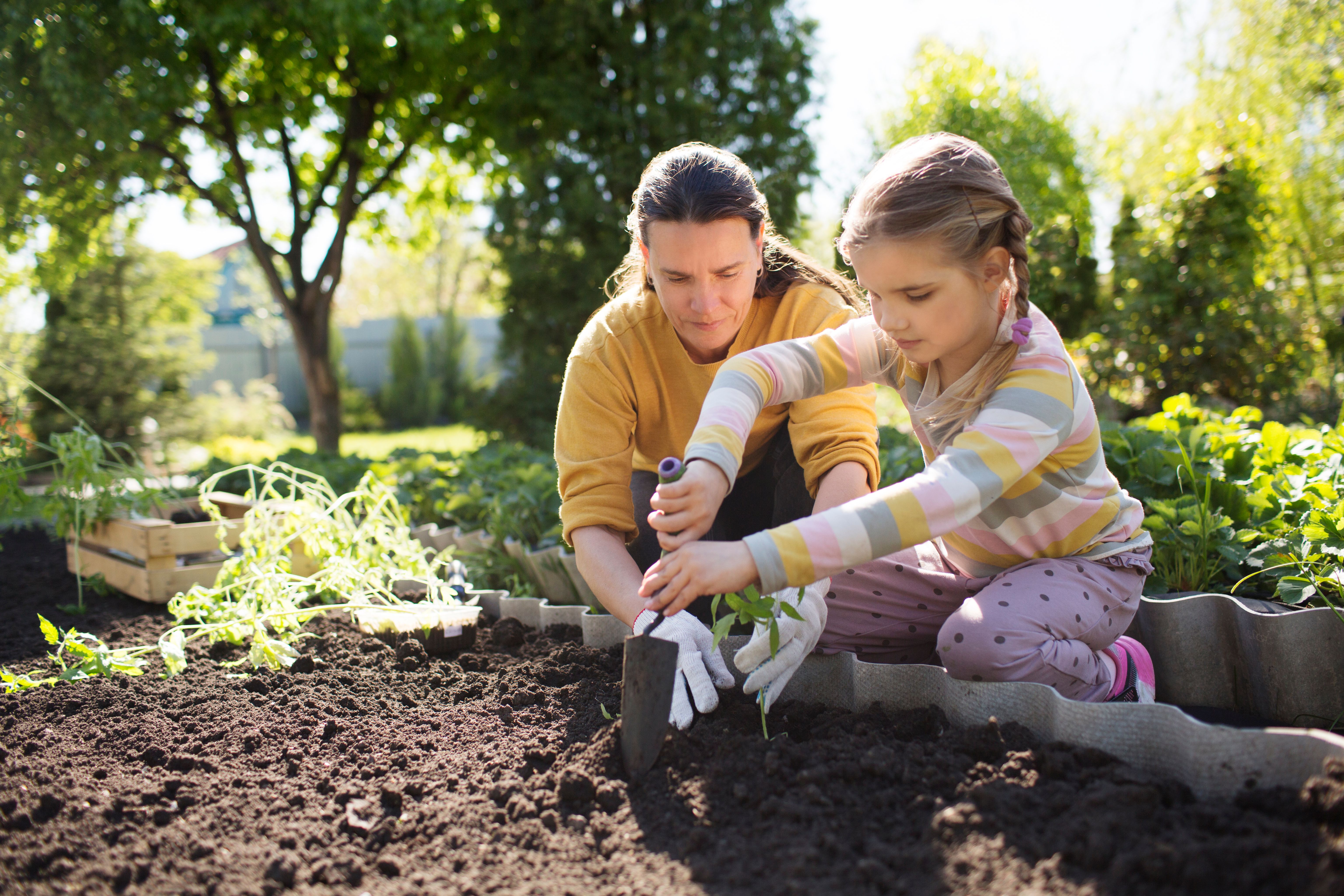
Nature has a profound impact on our emotions. Being outdoors and interacting with plants can reduce stress, improve mood, and enhance mental clarity. For children, these benefits are even more significant. Gardening offers them a chance to connect with nature, providing a calming effect that can help them manage their emotions better.
Studies have shown that children who participate in gardening activities are more likely to develop empathy, patience, and resilience. These emotional skills are crucial for their development and future success.
Developing Responsibility and Patience
Gardening teaches responsibility as children learn to care for plants. This involves regular watering, weeding, and monitoring growth, instilling a sense of duty and commitment. Patience is another key lesson, as children must wait for plants to grow and flourish, learning that good things take time.
Building Teamwork and Social Skills
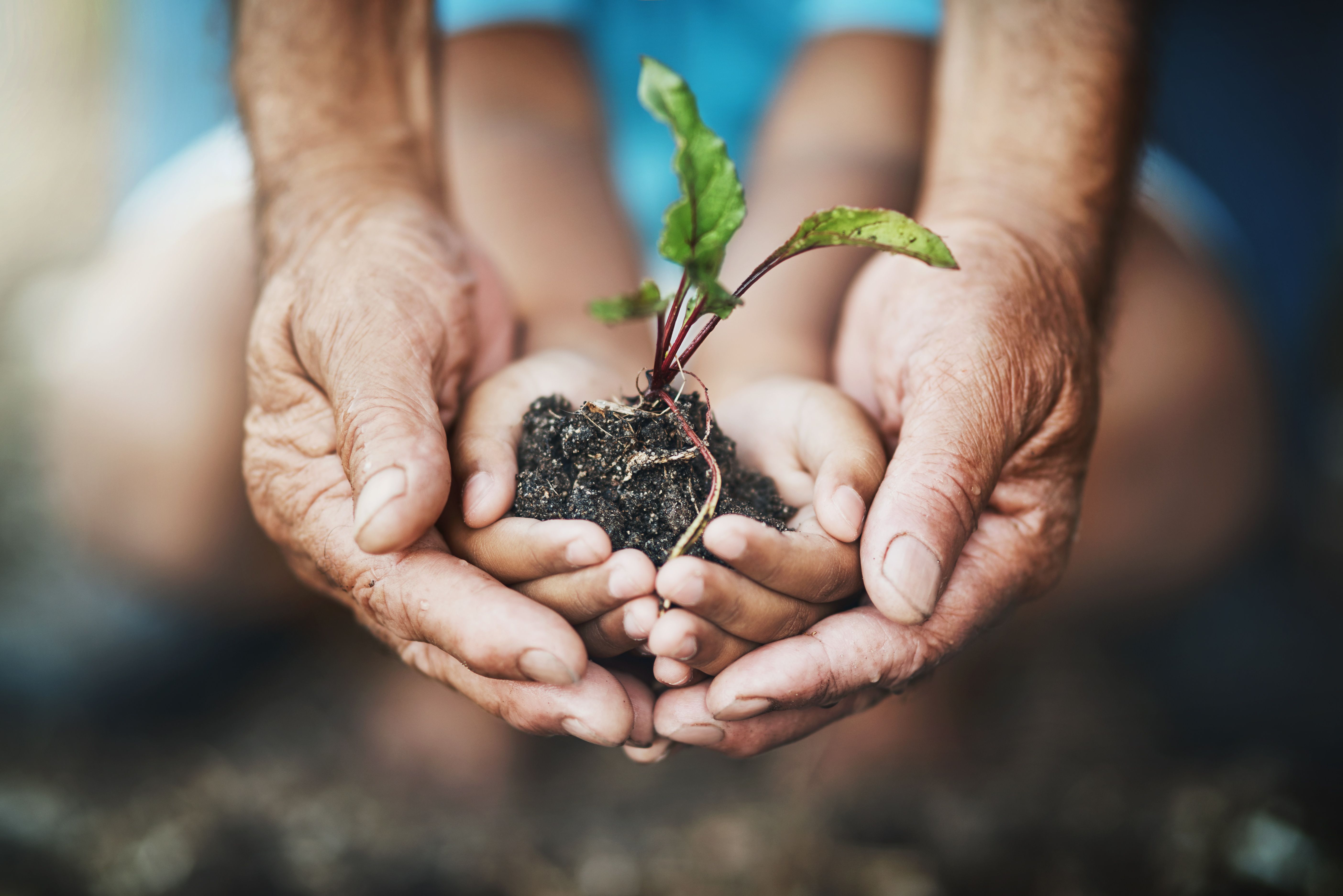
Many after-school gardening programs in Savannah focus on group activities, encouraging teamwork and collaboration. Working together to achieve common goals helps children develop social skills, such as communication, cooperation, and problem-solving.
These interactions are essential for emotional growth, as children learn to express their thoughts and feelings, listen to others, and work through conflicts constructively. Gardening, therefore, serves as a natural platform for developing strong interpersonal skills.
Enhancing Self-Esteem and Confidence
Successfully growing a plant from seed to bloom is a tangible achievement that boosts a child's self-esteem. The sense of accomplishment gained from seeing their hard work come to fruition enhances their confidence and belief in their abilities.

The Role of Educators and Mentors
Educators play a crucial role in guiding children through the gardening process. They provide support, encouragement, and education, helping students understand the science behind gardening while also nurturing their emotional growth. These mentors serve as role models, demonstrating how to approach challenges with a positive attitude.
Through structured gardening activities, educators can introduce concepts of sustainability, environmental awareness, and healthy living, further enriching the children's learning experience.
Conclusion: The Lasting Impact of Gardening
Gardening in after-school programs is more than just planting seeds; it's about planting the seeds of emotional growth and development. The skills and values learned through these activities have a lasting impact on children, equipping them with the tools they need for a successful future.
In Savannah, these programs continue to thrive, providing children with a nurturing environment where they can grow emotionally, socially, and intellectually, all while enjoying the simple pleasures of nature.