Exploring STEAM Through Gardening: A Comprehensive Guide for Savannah Schools


Introduction to STEAM and Gardening
Integrating STEAM (Science, Technology, Engineering, Arts, and Mathematics) into the educational landscape has become a priority for many schools. One innovative approach is through the practical and engaging medium of gardening. Schools in Savannah are uniquely positioned to take advantage of this due to the region’s rich biodiversity and favorable climate.
Gardening offers a dynamic way to explore fundamental STEAM concepts. By turning a patch of land into a living classroom, students gain hands-on experience that can enhance their understanding and appreciation of these subjects.
Science in the Garden
Gardening is a natural fit for the exploration of biology, ecology, and environmental science. Students can study plant life cycles, soil composition, and the importance of biodiversity. They learn how different plants interact with their environment and how to nurture them to maturity.
Through soil testing and composting, students can observe chemical processes and understand the nutrient cycles. This direct interaction with nature fosters a deeper understanding of scientific principles and encourages curiosity and inquiry.
Technology and Engineering Applications
Incorporating technology and engineering into gardening can be as simple or complex as the school desires. From using weather apps to monitor climate conditions, to designing irrigation systems, technology plays a crucial role in modern gardening.
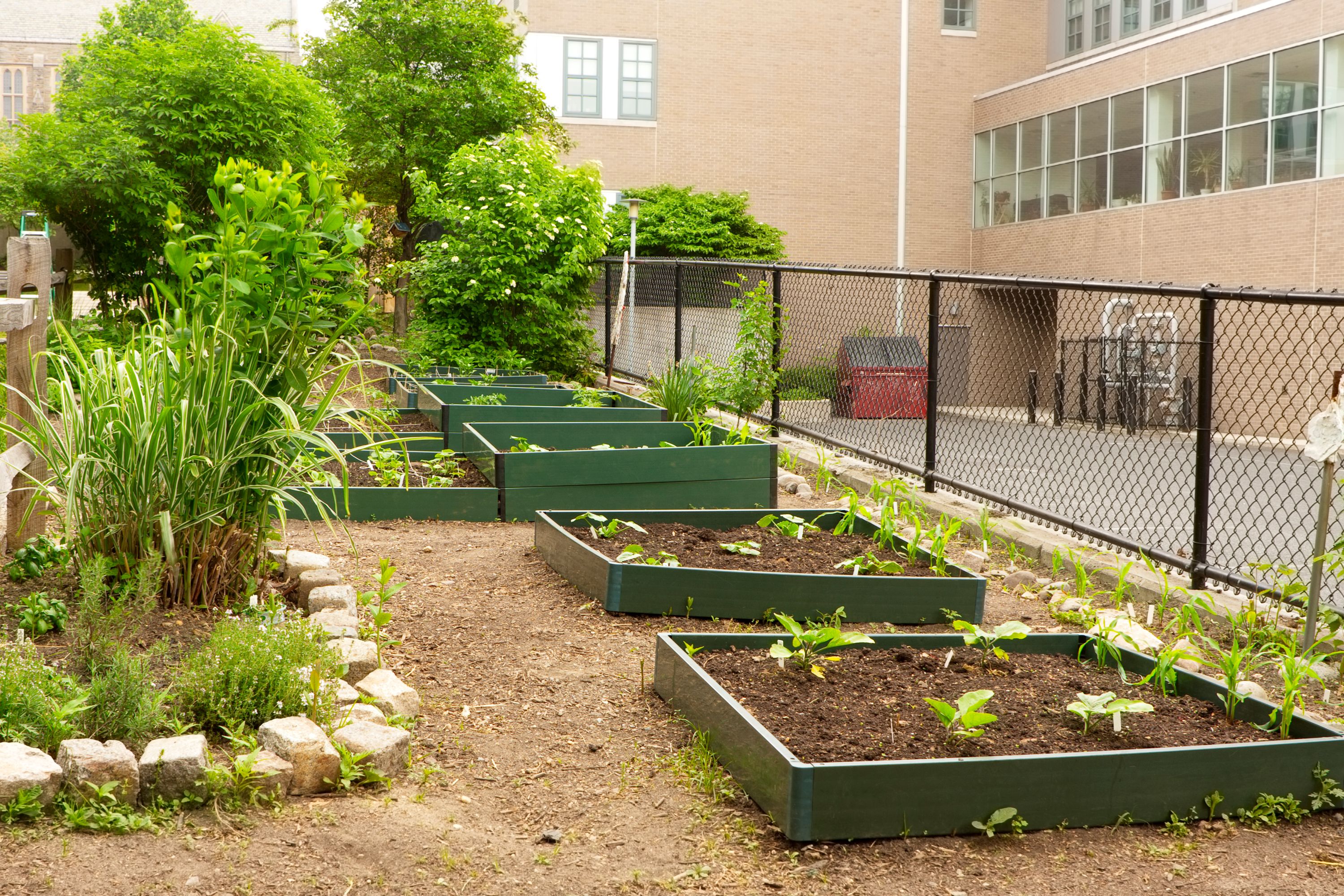
Students can engage in engineering tasks by constructing raised beds or designing efficient layouts for planting. These activities combine creativity with practical problem-solving, teaching students valuable skills that extend beyond the garden.

Artistic Expression and Mathematics
The arts are an integral part of the STEAM framework, and gardening provides a beautiful canvas for artistic expression. Students can plan garden layouts that emphasize color, texture, and form, creating aesthetically pleasing spaces that also respect ecological principles.
Mathematics enters the picture through measuring plots, calculating growth rates, and understanding geometric patterns in nature. These activities help students apply mathematical concepts in real-world scenarios, making learning both relevant and fun.
Benefits for Savannah Schools
For schools in Savannah, gardening projects align well with community values and environmental awareness. The city’s unique climate allows for a variety of plants to be grown year-round, providing continuous learning opportunities.

Additionally, these projects can foster a sense of community and responsibility among students. Working together to cultivate a garden teaches teamwork, patience, and respect for nature and each other.
Conclusion
Exploring STEAM through gardening is not just an educational activity; it’s a transformative experience that equips students with essential life skills. By integrating these subjects in a natural and engaging way, Savannah schools can inspire the next generation of thinkers, creators, and problem solvers.
With the support of educators, parents, and the community, school gardens can thrive, offering endless possibilities for growth and learning.