Exploring S.T.E.A.M. Education Through School Gardens


Introduction to S.T.E.A.M. Education
S.T.E.A.M. education, which stands for Science, Technology, Engineering, Arts, and Mathematics, is an interdisciplinary approach that encourages students to think critically, solve complex problems, and engage in experiential learning. By integrating these subjects, S.T.E.A.M. education prepares students for the demands of the modern world.
The Role of School Gardens
School gardens offer a dynamic environment for S.T.E.A.M. education, providing a living classroom where students can explore and apply various concepts. These gardens are not just about planting and harvesting; they serve as a fertile ground for discovery and innovation.
By participating in garden projects, students gain hands-on experience that complements traditional classroom learning, making abstract concepts more tangible and understandable.
Science in the Garden
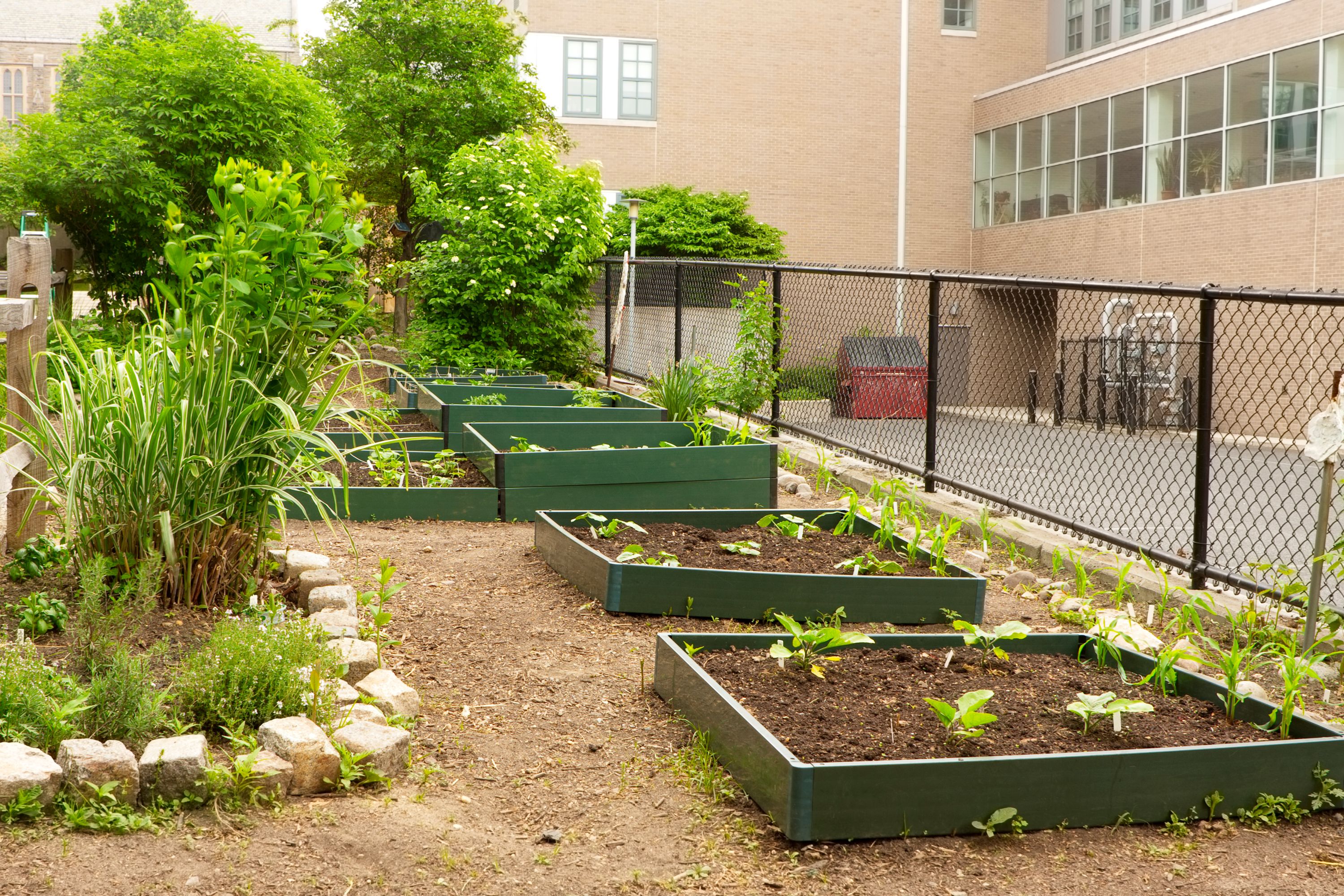
Gardening is a natural fit for teaching science. Students can learn about plant biology, ecosystems, and the life cycle of plants. They observe the effects of weather, soil composition, and water cycles firsthand, making scientific concepts come alive.
Experiments such as testing different fertilizers or comparing growth rates of various plant species offer practical insights into scientific methods and principles.
Technology and Engineering Applications
Technology and engineering are seamlessly integrated into school gardens through projects like building irrigation systems or designing garden layouts. Students can use technology to monitor plant growth, capture data, and analyze results, fostering skills in data management and technical design.
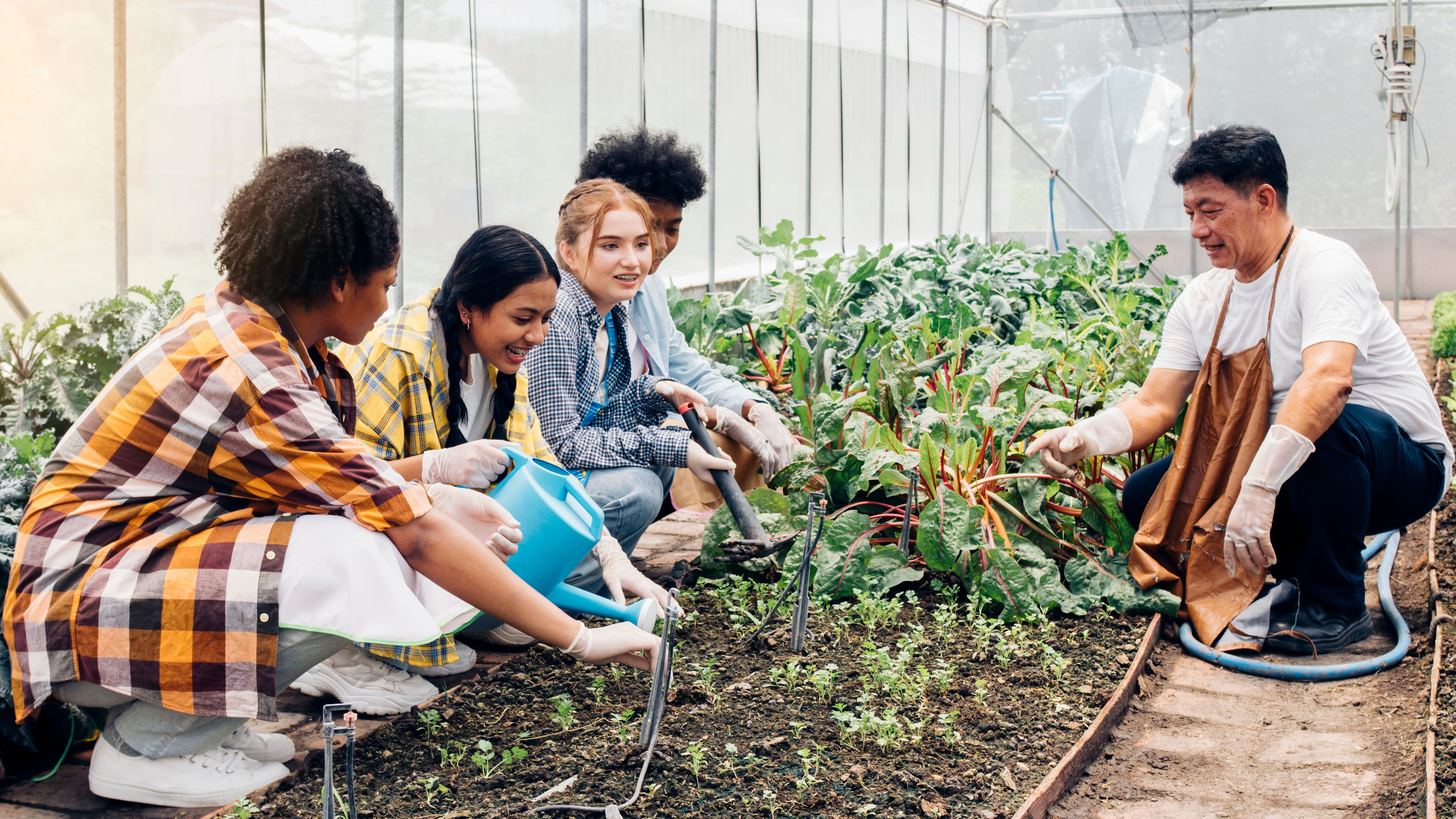
Engineering challenges, such as constructing raised beds or creating compost systems, allow students to apply concepts of physics and material science.
Incorporating Art into Gardening
The arts play a crucial role in enhancing creativity and expression in school gardens. Students can design garden spaces, create labels and signs, or engage in projects like botanical drawing and photography. This integration encourages them to see beauty and creativity in their surroundings.
Mathematics in Action
Gardening offers numerous opportunities to apply mathematical concepts. Students can calculate area and perimeter for garden plots, measure plant growth, or manage budgets for gardening projects. These activities help reinforce math skills in a practical, engaging context.

Additionally, students can use statistical analysis to understand trends in plant growth and environmental conditions, enhancing their data literacy.
Conclusion: The Impact of School Gardens
School gardens provide a rich, multifaceted platform for S.T.E.A.M. education, promoting interdisciplinary learning and critical thinking. By engaging with the natural world, students develop a deeper understanding of complex concepts and cultivate a lifelong love for learning.
As schools continue to embrace this innovative approach, school gardens will play a vital role in nurturing the next generation of thinkers and problem solvers.