Connecting Art and Nature: The Role of Art Clubs in Environmental Education


The Intersection of Creativity and Ecology
Art and nature have always shared a profound connection, each inspiring the other in countless ways. Art clubs around the world are recognizing the potential of this relationship, leveraging it to foster environmental education. By intertwining artistic expression with ecological awareness, these clubs are cultivating a new generation of environmentally conscious individuals.
Art clubs offer a unique platform to explore the beauty and complexity of the natural world. By engaging with nature through art, participants develop a deeper appreciation for the environment, fostering a sense of responsibility and stewardship. This approach enhances environmental education, making it more relatable and impactful.

How Art Enhances Environmental Education
Integrating art into environmental education encourages creativity and critical thinking. Art clubs often organize activities such as outdoor painting sessions, nature photography, and eco-friendly art projects. These activities not only highlight the beauty of nature but also draw attention to environmental issues and the importance of conservation.
Through artistic expression, individuals can convey powerful messages about the environment. Art becomes a medium for advocacy, raising awareness about critical issues like climate change, habitat destruction, and pollution. This creative approach makes environmental education more engaging and memorable.
Community Engagement and Collaboration
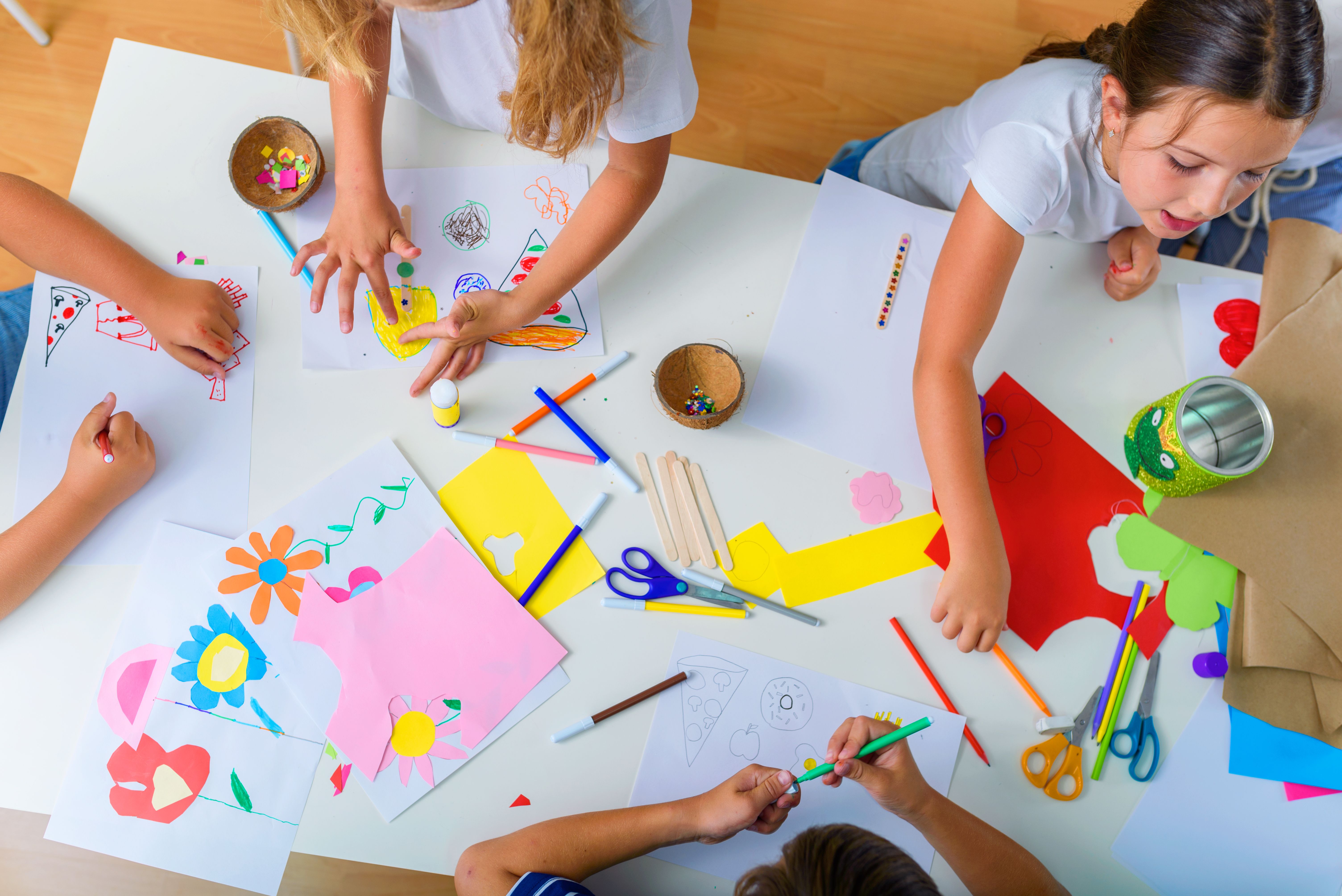
Art clubs play a crucial role in bringing communities together. By organizing exhibitions, workshops, and collaborative projects, they create opportunities for people of all ages to engage with environmental topics. These events often serve as a catalyst for discussion and action, inspiring community members to work together towards a sustainable future.
Collaborative art projects, in particular, can have a significant impact. They encourage participants to share ideas, learn from one another, and collectively address environmental challenges. This sense of community and shared purpose is vital in building a more sustainable and resilient world.

Benefits of Art Clubs in Environmental Education
Art clubs provide numerous benefits in the realm of environmental education. Here are a few key advantages:
- Enhanced Creativity: Artistic activities stimulate creative thinking, helping individuals explore new solutions to environmental problems.
- Increased Awareness: Participants gain a better understanding of environmental issues and the importance of conservation.
- Emotional Connection: Art fosters an emotional connection to nature, encouraging empathy and a desire to protect the environment.
By incorporating art into environmental education, art clubs are creating a more holistic learning experience. This approach not only educates but also empowers individuals to make a positive impact on the world.

Conclusion: The Future of Art and Nature
The role of art clubs in environmental education is becoming increasingly important. As we face global environmental challenges, the need for creative and innovative solutions is greater than ever. By connecting art and nature, we can inspire a new generation of environmental advocates who are both informed and passionate about protecting our planet.
Art clubs serve as a bridge between creativity and ecology, offering a unique and effective approach to environmental education. As more clubs embrace this role, the potential for positive change continues to grow, paving the way for a more sustainable future.