Caring for Plants and Animals: Building Emotional Intelligence in Teens


The Connection Between Caring for Living Beings and Emotional Growth
Engaging teenagers in the care of plants and animals offers more than just a fun hobby. It serves as a powerful tool for building emotional intelligence. By nurturing living beings, teens develop a sense of responsibility and empathy, essential components of emotional growth.
When teens take care of plants or animals, they learn to recognize and respond to the needs of others. This process fosters patience and understanding, traits that are vital for their emotional development. Moreover, the act of caring helps them to cultivate empathy, a fundamental aspect of emotional intelligence.

Responsibility and Routine
One of the first lessons teens learn from caring for plants and animals is responsibility. Regular watering of plants or feeding pets instills a sense of duty. This routine helps teens develop time management skills and discipline, which are transferable to other areas of life.
By establishing a routine, teenagers also learn the importance of consistency and reliability. These skills are crucial not only in personal relationships but also in academic and professional environments.
Developing Empathy Through Interaction
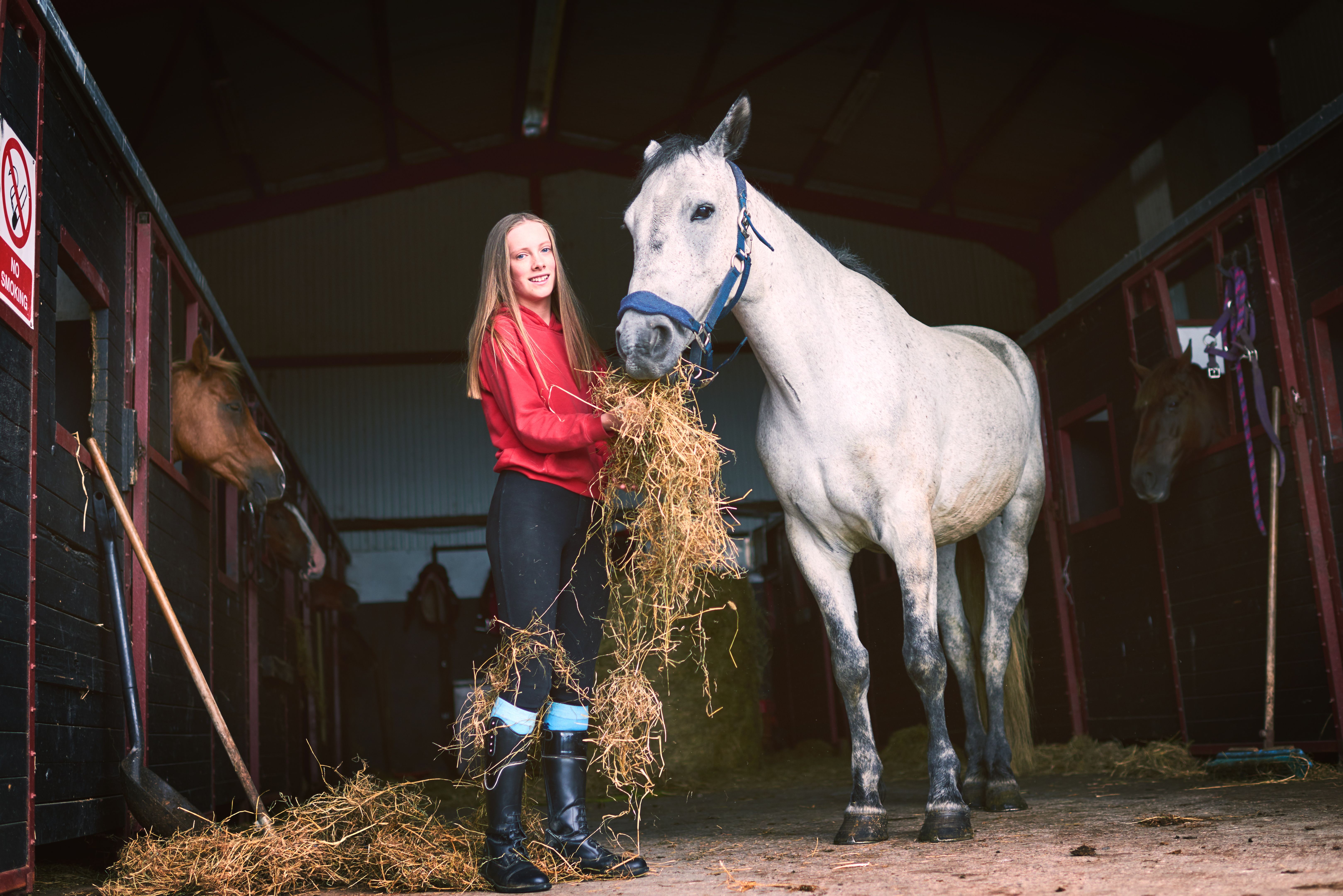
Interacting with animals and plants provides teens with opportunities to understand non-verbal communication. Animals, in particular, communicate through behavior, and learning to interpret these signals enhances a teen’s ability to empathize with others.
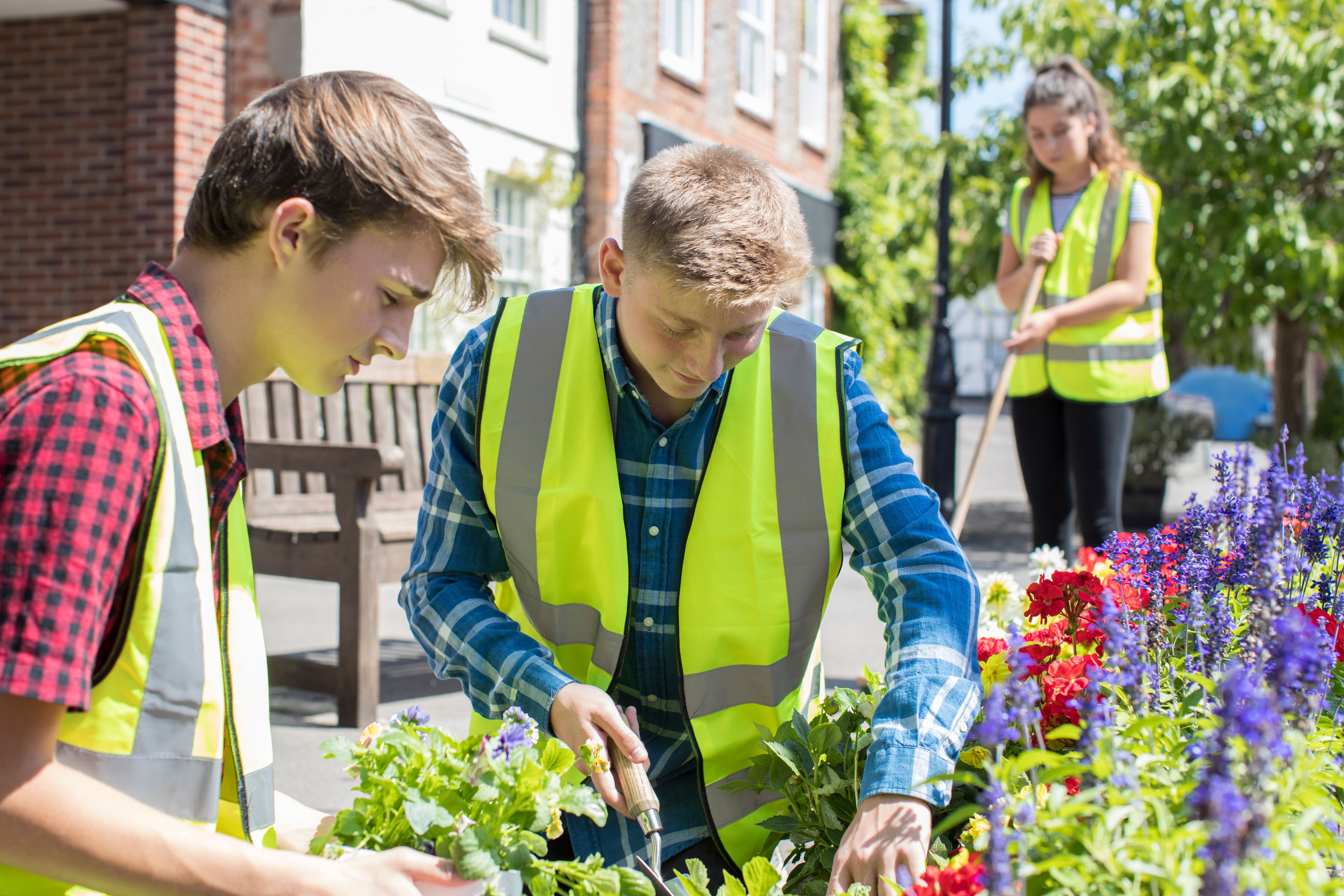
Moreover, caring for plants allows teens to witness the consequences of their actions. When they see a plant thrive under their care, they experience a sense of achievement and connection, reinforcing their capacity for empathy.
Building Self-Esteem and Confidence
Successfully nurturing a plant or animal can significantly boost a teen’s self-esteem. The realization that their actions can positively impact another living being instills confidence and a sense of achievement.
Encouraging teens to share their knowledge and experiences with peers further enhances this confidence. By teaching others, they reinforce their learning and develop communication skills, which are integral to emotional intelligence.
Problem-Solving and Critical Thinking
Caring for living beings often presents challenges that require creative solutions. Teens learn to identify problems, such as a plant’s wilting leaves or an animal’s unusual behavior, and devise strategies to address them.
This problem-solving process enhances critical thinking skills, encouraging teens to analyze situations and make informed decisions. These skills are valuable assets in both personal and academic settings.

Conclusion: A Holistic Approach to Emotional Development
Incorporating the care of plants and animals into a teen’s life offers a holistic approach to developing emotional intelligence. By nurturing these living beings, teens cultivate empathy, responsibility, and critical thinking skills.
Encouraging this practice not only benefits the teens themselves but also creates a compassionate and empathetic future generation. It is a simple yet effective way to nurture emotional growth, preparing teens for the complexities of adult life.