Building a Sustainable School Garden: A Step-by-Step Guide


Creating a sustainable school garden is an enriching project that provides students with hands-on learning experiences. Not only does it teach students about agriculture and ecology, but it also fosters a sense of responsibility and teamwork. Here's a step-by-step guide to building a sustainable school garden that can thrive for years to come.
Planning Your Garden
The first step in building a sustainable school garden is planning. Begin by determining the goals of the garden. Are you aiming to grow vegetables, flowers, or a combination of both? Consider the educational objectives as well, such as teaching about ecosystems or nutrition.
Next, select a suitable location. Look for an area that receives adequate sunlight and has access to water. Ensure that the soil is fertile or plan to enhance it with compost. It's important to involve the school community in this phase to foster a sense of ownership.
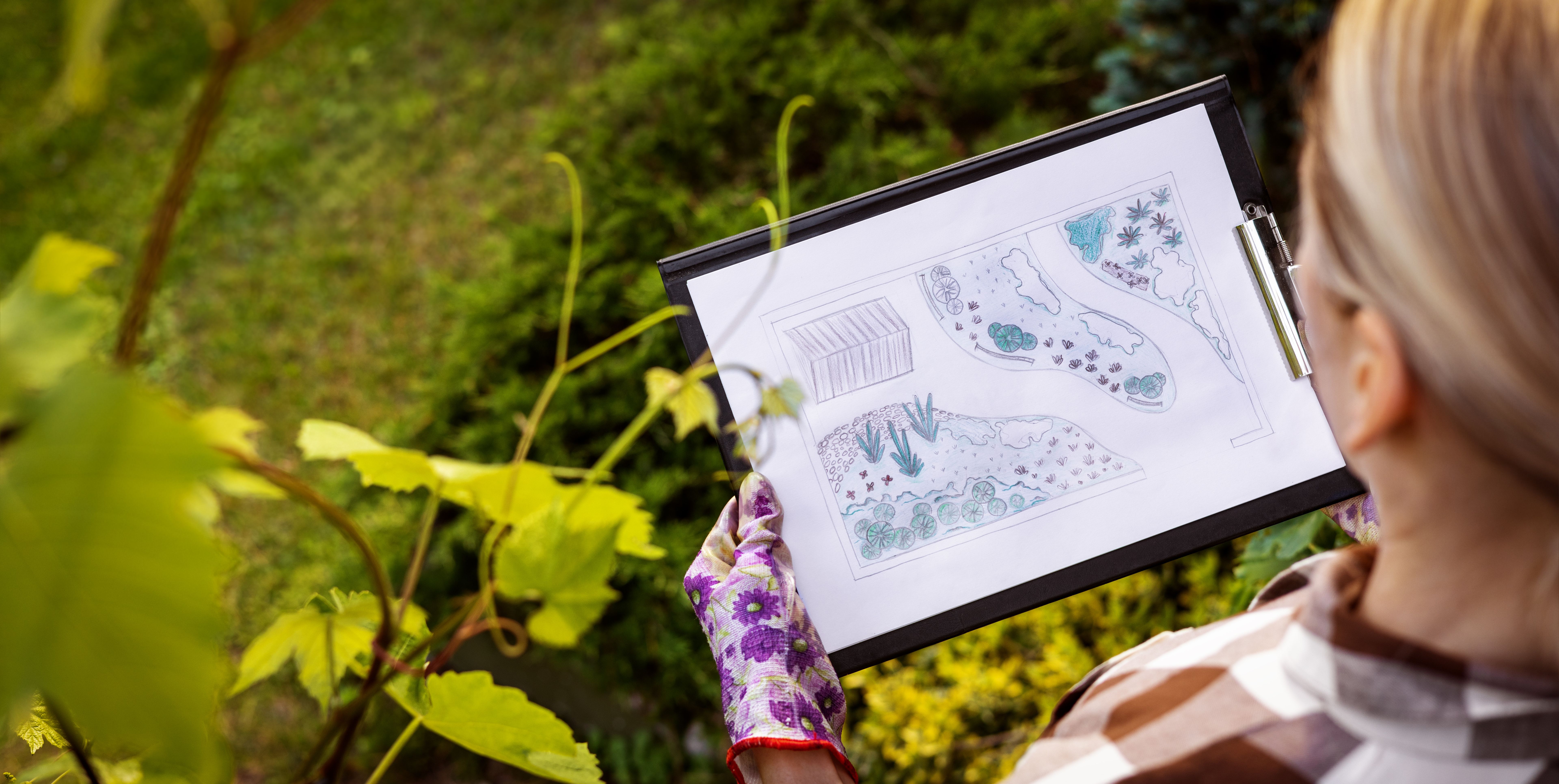
Designing the Layout
Once you've chosen the location, it's time to design the garden layout. Sketch out where each type of plant will be located. Consider incorporating paths for easy access and maintenance. Raised beds can be a great option, especially if the soil quality is poor or if you want to ensure accessibility for all students.
Think about including features like compost bins, rain barrels, and pollinator-friendly plants. These elements contribute to the sustainability of the garden by enhancing biodiversity and resource efficiency.
Gathering Resources
With a clear plan and design, the next step is to gather resources. Create a list of necessary materials such as soil, seeds, tools, and mulch. Consider reaching out to local businesses or gardening centers for donations or discounts. Involving students in this process can be a valuable learning experience in resource management.

Additionally, engage with the school community by organizing fundraising events or workshops. This not only helps secure funds but also raises awareness and support for the garden project.
Planting and Maintenance
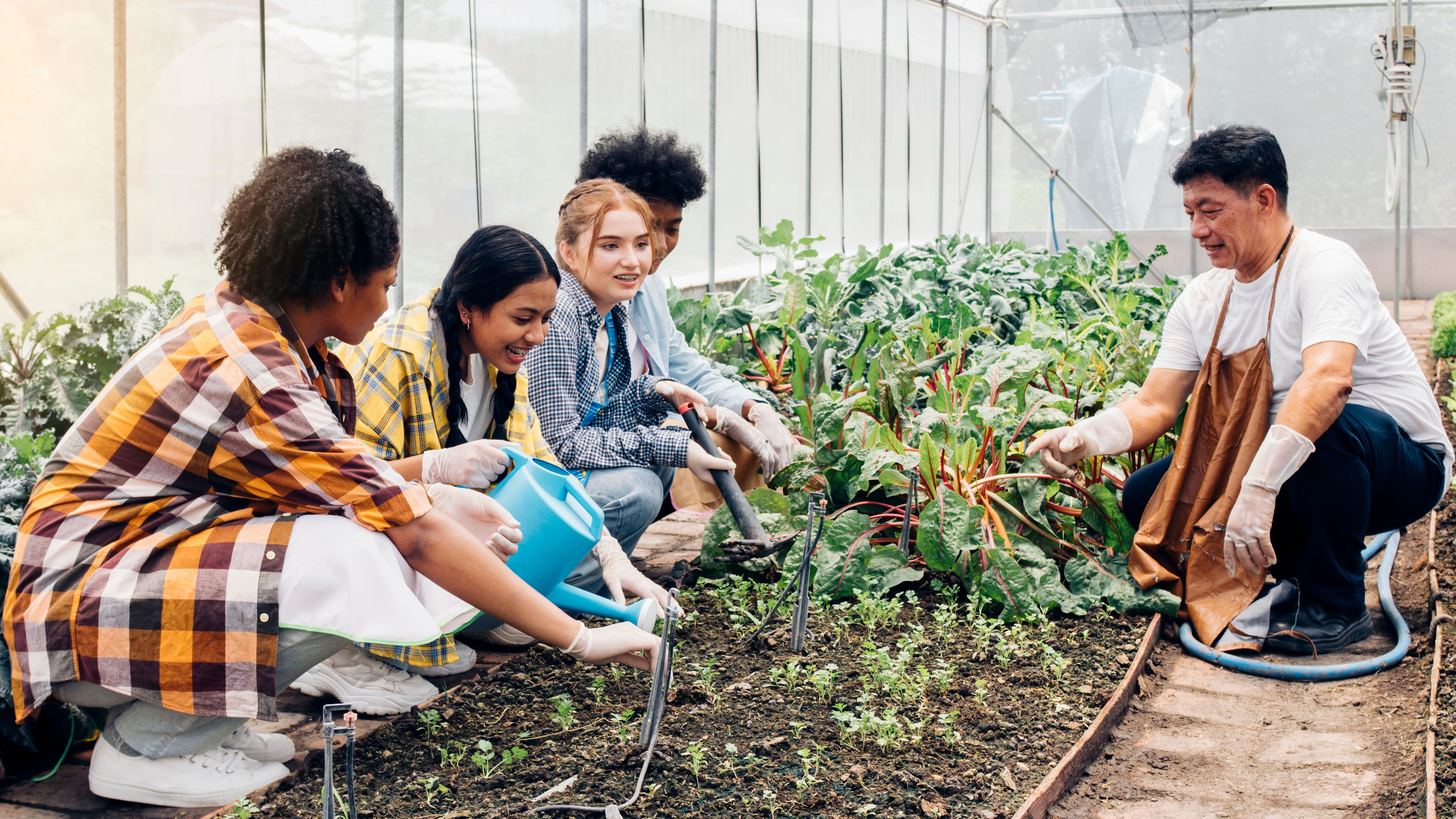
Now comes the exciting part—planting! Ensure that students are actively involved in this phase. Teach them about planting techniques, spacing, and the importance of crop rotation. Assigning responsibilities to different classes or groups can encourage ongoing engagement and accountability.
Regular maintenance is crucial for a thriving garden. Establish a schedule for watering, weeding, and harvesting. Integrate these tasks into the school curriculum, making them part of science or health classes.
Integrating Sustainability Practices
To ensure the longevity of the garden, integrate sustainable practices. Encourage composting by setting up bins and teaching students how to compost food waste. Use rain barrels to collect water and reduce reliance on external water sources.
Incorporating native plants can reduce the need for excessive watering and pesticide use. Teaching students about these practices not only sustains the garden but also instills environmental stewardship.
Evaluating and Celebrating Success
Finally, regularly evaluate the garden's progress and celebrate its successes. Gather feedback from students and teachers to understand what works and what can be improved. Host events to showcase the garden to the wider community, celebrating milestones and achievements.
A sustainable school garden is more than just a place to grow plants; it's a dynamic learning environment. By following these steps, you can create a garden that educates and inspires, while promoting sustainability for future generations.